Healthy, vaccinated kittens with home delivery across IndiaCall +91 91688 80648

Vaccinated and dewormedVet health checkHome delivery across IndiaSupport after you buy
Rabies is almost always fatal once signs appear, in cats and in people. It is also almost completely preventable. In India, where rabies is still common in street animals, every cat parent should know three things: how to protect their cat, the signs of rabies, and what to do straight away if they are bitten or scratched.
Medically reviewed by Dr Abhishek, BVSc, MVSc, PhD, head vet at MyCatShop, based in Delhi.
Published 19 November 2026 · By Meenakshi Ahuja · Health
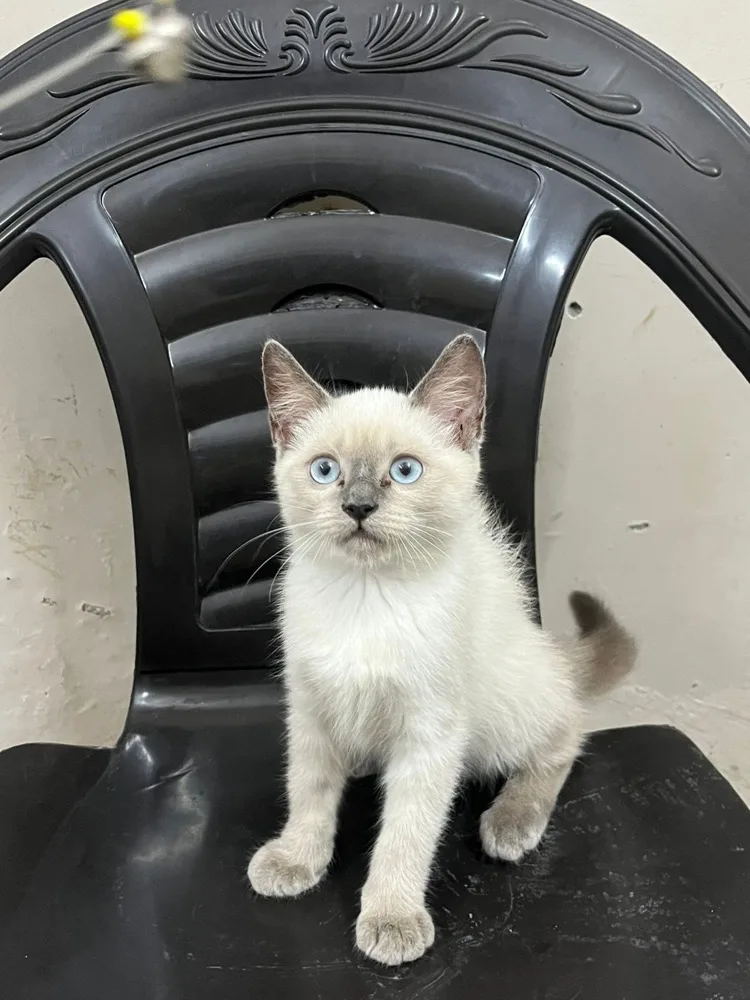
Rabies is a virus that attacks the brain and nerves. It spreads in saliva, usually through a bite, and sometimes through a scratch from claws carrying saliva or a lick on broken skin. Any mammal can catch it. In India most human cases come from dog bites, but cats can catch rabies and pass it on. The World Health Organization counts India among the countries with the most human rabies deaths in the world.
After a bite the virus travels slowly along the nerves to the brain. This ‘incubation period’ usually lasts weeks to a few months. Once it reaches the brain and signs appear, there is no cure.
Indoor cats are at much lower risk, but not zero: cats slip out of doors, fall from balconies, and meet other animals on terraces. That is why vets in India advise vaccinating indoor cats too.
Signs usually follow three stages, though a cat may not show all of them.
| Stage | What you may see |
|---|---|
| Early (1–3 days) | A change in personality: a friendly cat becomes nervous or hides, a shy cat becomes clingy; fever, licking or chewing at an old bite wound |
| ‘Furious’ stage | Restlessness, aggression, biting or attacking without reason, wandering, odd or constant crying, dilated pupils, reacting wildly to sound and light |
| ‘Paralytic’ stage | Drooling or foaming at the mouth, trouble swallowing, a dropped jaw, weakness that often starts in the back legs, then collapse |
Death usually follows within about ten days of the first signs. Many other illnesses cause some of these signs, from poisoning to a mouth injury, so a vet must examine the cat. Never try to handle a cat you suspect has rabies. Shut it safely in a room and call your vet or the local municipal veterinary service.
No. Once a cat shows signs of rabies there is no treatment, and it will not recover. Prevention is the only protection, which is why the vaccine matters so much.
The rabies vaccine is safe and very effective. Your vet will give the first dose when your kitten is about three months old, alongside its other kitten vaccines, followed by boosters on the schedule your vet recommends; in India most vets give a rabies booster every year.
Our new kitten guide explains the first vet visit and the kitten vaccine course.
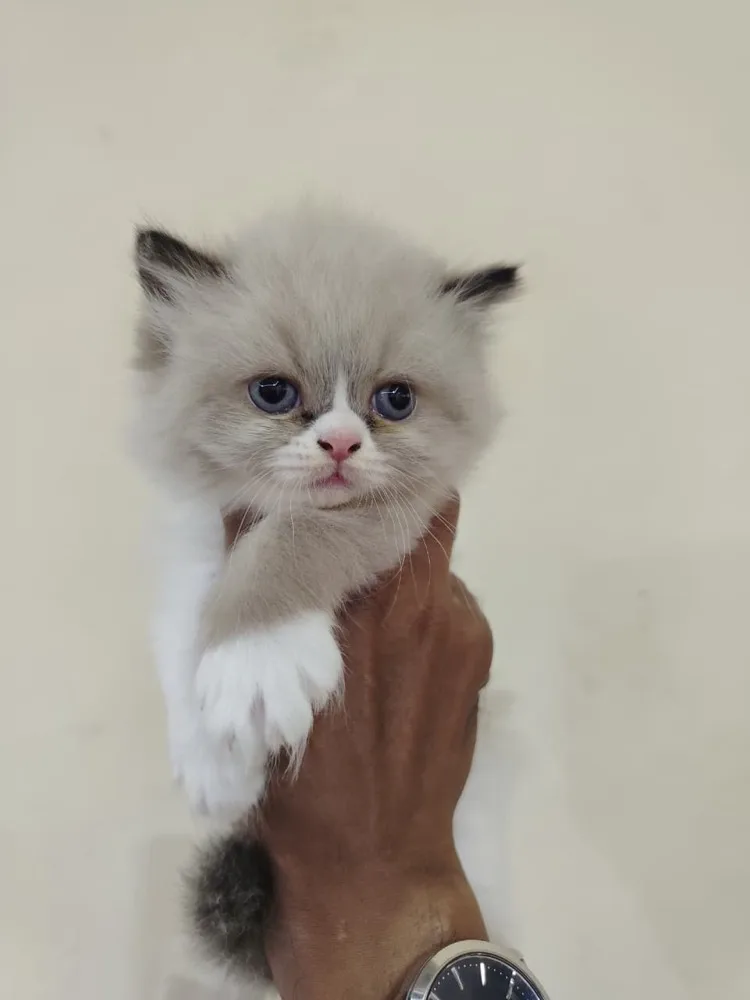
Most cat bites and scratches, especially from your own vaccinated pet, are not rabies. But rabies is fatal and the treatment works only if it starts early, so treat every bite or deep scratch seriously.
| Type of contact | Usual medical advice |
|---|---|
| Touching or feeding a cat, or a lick on unbroken skin | No rabies vaccine needed; wash your hands |
| Nibbling of bare skin, or small scratches without bleeding | Wash the wound and start the anti-rabies vaccine |
| A bite or scratch that breaks the skin and bleeds, or a lick on broken skin | Wash the wound, start the anti-rabies vaccine and usually rabies immunoglobulin injected around the wound |
Based on the World Health Organization’s categories of exposure. Your doctor decides the treatment; never skip a medical visit because the cat ‘looks fine’.
For a cat’s whole-life health plan, see how long cats live and how to help yours live longer.
Usually a sudden change in behaviour: hiding, nervousness or unusual clinginess, often with fever. This can quickly progress to aggression, drooling, difficulty swallowing and paralysis.
It can if the claws carry saliva from an infected cat. Wash any scratch for 15 minutes with soap and water and see a doctor the same day.
Yes. Indoor cats can still slip out, meet other animals or be bitten, and rabies is common in India. Vets advise vaccinating every cat.
Usually at about three months old, then boosters as your vet advises; in India most vets give it every year.
No. Once signs appear it is fatal. The vaccine prevents it.
Looking for a kitten? See all breeds and prices, or WhatsApp us on +91 91688 80648.