Healthy, vaccinated kittens with home delivery across IndiaCall +91 91688 80648

Vaccinated and dewormedVet health checkHome delivery across IndiaSupport after you buy
The first four weeks shape how your kitten feels about its new home, its food, its litter tray and you. Most problems new owners face, from a kitten hiding under the bed to an upset stomach, come from changing too much too fast. This guide takes it one week at a time.
Published 19 November 2026 · By Meenakshi Ahuja · New to cats
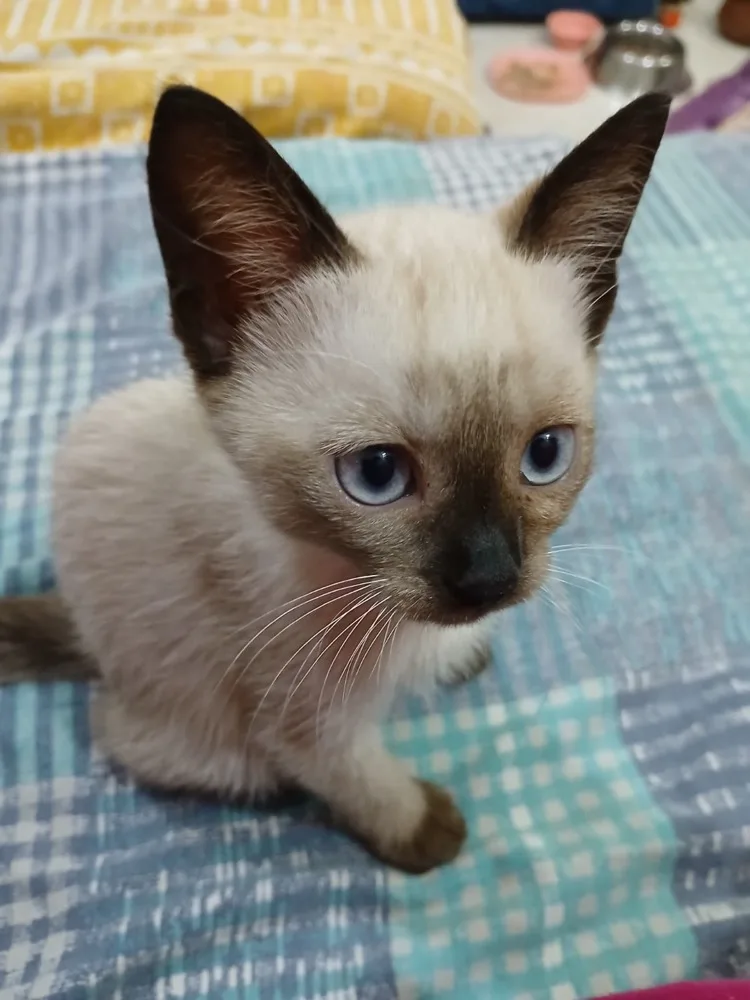
Set everything up a few days before the kitten comes home, so the first day is calm. You’ll need:
| Item | Why it matters |
|---|---|
| Kitten food (the same one it eats now) | A sudden food change is the most common cause of diarrhoea in new kittens |
| Two bowls, one for water, one for food | Shallow ceramic or steel bowls are easy to clean |
| Litter tray and litter | An open, low-sided tray is easiest for a small kitten to climb into |
| A carrier | For the journey home and every vet visit; a kitten should never travel loose |
| A bed or a soft box | Somewhere warm and enclosed to hide and sleep |
| A scratching post | Gives the claws somewhere better to go than your sofa |
| A few toys | A wand toy, a small ball and something soft to carry around |
| A soft brush and a nail clipper | To start gentle grooming habits early |
Ask the seller what food, litter and toys the kitten is used to, and get the vaccination and deworming record. Our buying a kitten checklist lists the documents to ask for.
Bring your kitten home in a carrier and let it out in one room with its bed, food, water and litter tray, the tray on the opposite side of the room from the food. Let it explore, hide and come to you in its own time. Sit on the floor and talk quietly; don’t pull it out from under furniture.
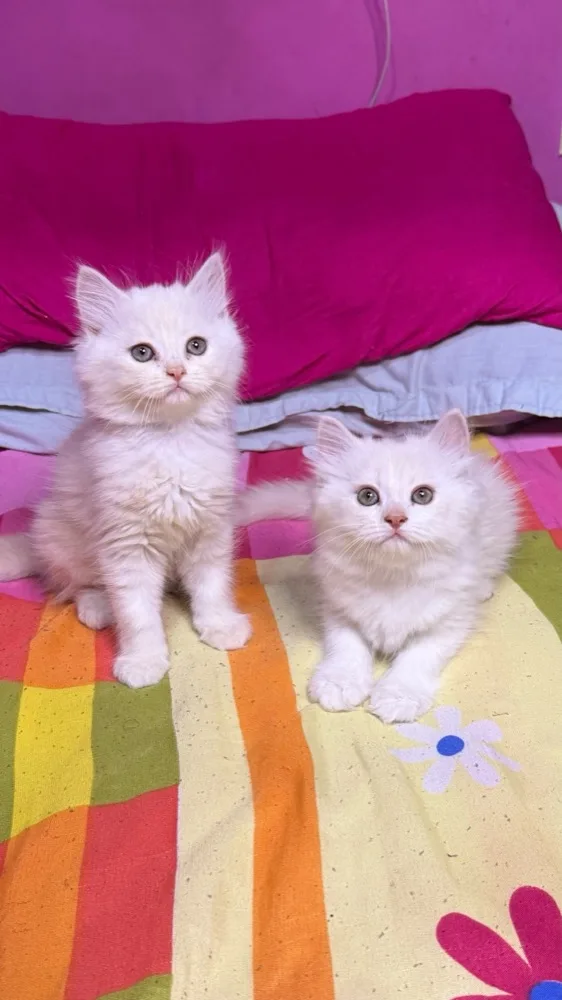
Take the vaccination and deworming card with you. The vet will check the eyes, ears, mouth, heart, weight and skin, look for fleas and ear mites, and plan the remaining vaccinations and deworming. Good questions to ask:
In India, kittens usually get a combination vaccine against the common cat viruses (often called FVRCP or ‘tricat’) in a course of injections a few weeks apart, and a rabies vaccine. Your vet sets the exact schedule based on what your kitten has already had.
Once the kitten is eating well and its stools are firm, you can slowly move to the food you want to keep it on. Mix a little of the new food into the old one and change the proportion over 7–10 days.
Feed at the same times each day. A routine helps an anxious kitten settle faster.
When the kitten comes to you for attention and uses its tray reliably, open up more of the home a room at a time. This is the age to build good habits for life.
Start brushing for a minute or two a day, even for short-haired kittens. Long-haired breeds need it most; see our guides to Persian grooming and Himalayan grooming.
Kittens are small and become unwell quickly. Don’t wait to see if these get better on their own:
Many kittens sneeze a little or have a soft stool in the first days after a long journey and a new home. Your vet can tell you whether it needs treatment.
My kitten cries at night. It is missing its mother and littermates. Put its bed in your bedroom or give it a soft toy and a warm (not hot) water bottle wrapped in a towel. It usually settles within a week.
My kitten is hiding. Normal for the first few days, especially after a long journey. Make sure it can reach food, water and the tray without leaving its safe spot.
My kitten isn’t using the tray. Try a lower tray, unscented litter, a quieter spot, and clean any accidents with an enzyme cleaner so the smell doesn’t invite a repeat.
If you are still choosing between adopting and buying, read adopt or buy a kitten. Ready to choose a breed? See all the breeds we offer.
Three to four small meals a day of a kitten food, at regular times. Keep fresh water out all day.
Within 48 hours of it coming home, even if it seems healthy, with its vaccination and deworming card.
No. Most cats can’t digest cow’s or buffalo milk, and it often causes diarrhoea. Water and kitten food are all it needs.
Most kittens are relaxed within one to two weeks. Keeping it in one quiet room at first makes it faster.
Indoor life is safest for a pedigree cat in an Indian city. If you want outdoor time, use a secure net-covered balcony or a harness, after the vaccination course is finished.
Looking for a kitten? See all breeds and prices, or WhatsApp us on +91 91688 80648.