Healthy, vaccinated kittens with home delivery across IndiaCall +91 91688 80648

Vaccinated and dewormedVet health checkHome delivery across IndiaSupport after you buy
Cats can be trained, just not the way dogs are. They learn fast when something good happens straight after the right behaviour, and they shut down when they are scolded. With short sessions, patience and the right rewards, most cats learn the tray, the scratching post and gentle play within weeks, and many learn tricks too.
Published 19 November 2026 · By Meenakshi Ahuja · New to cats
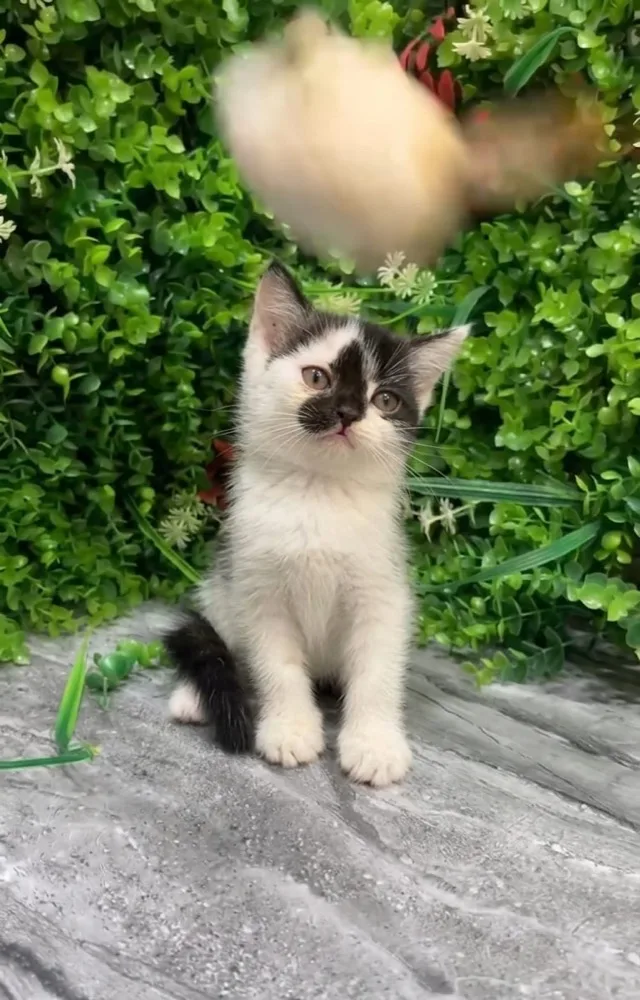
Cats repeat what works for them. If a behaviour brings a treat, play or attention, it happens more; if it brings nothing, it fades. Shouting, spraying water or tapping a cat’s nose doesn’t teach it what to do instead. It teaches the cat to be afraid of you, or to do the same thing when you are not looking.
Most kittens arrive already using a tray. Problems usually come from the tray, not the cat.
| Get this right | Why |
|---|---|
| Number of trays | One per cat, plus one extra |
| Size | At least one and a half times the cat’s length; low sides for kittens |
| Litter | Unscented clumping litter suits most cats; keep the type the kitten is used to at first |
| Place | Quiet, easy to reach, away from food and water and from noisy machines |
| Cleaning | Scoop at least once a day; wash the tray weekly with mild soap, not strong-smelling cleaners |
Put the kitten in the tray after meals, naps and play. If it goes elsewhere, clean the spot with an enzyme cleaner so the smell doesn’t invite a repeat, and look at the tray setup. A cat that was clean and suddenly isn’t may have a bladder problem or be stressed; see a vet, especially if it strains or passes very little urine.
Scratching is natural: it keeps claws healthy and leaves scent. You can’t stop it, but you can choose where it happens.
A kitten that learns hands are toys becomes a cat that bites. Teach it early:
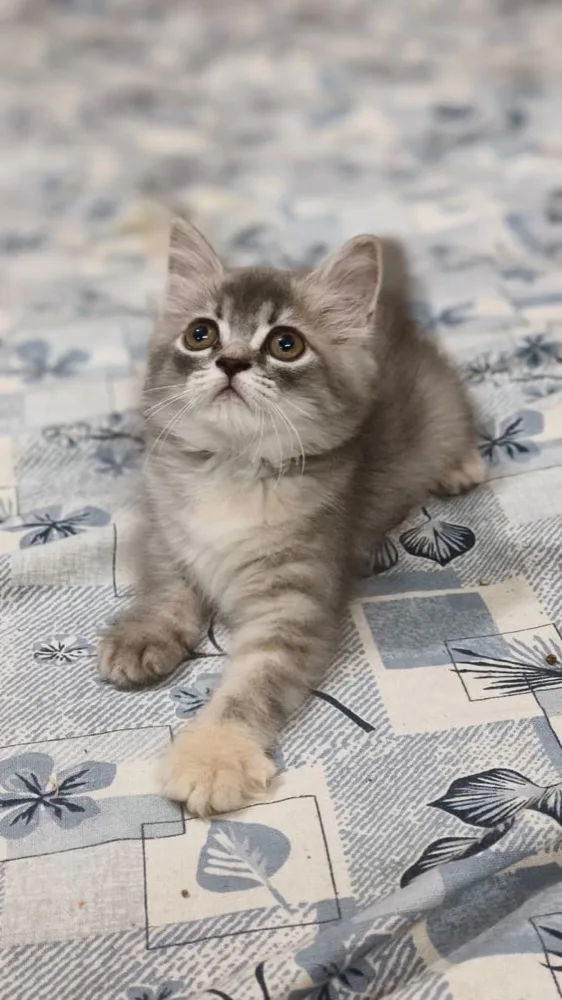
Cats like high places to watch from. Give them a better high place, such as a cat tree or a window shelf, and reward them for using it. Keep food off the counter so jumping up never pays. Lift the cat down calmly and place it on its tree, every time.
This is the most useful thing a cat can learn: it brings a cat out from under a bed in an emergency.
Most cats only see the carrier on the way to the vet, so they hate it. Leave it open in a room with a soft blanket inside and drop treats into it. Feed meals near it, then inside it. Close the door for a few seconds, then minutes, before you ever pick it up. The same slow approach works for a harness: let the cat wear it indoors for short spells, with treats, before any walk. Our Maine Coon indoors guide has more on harness walks.
| Trick | How |
|---|---|
| Sit | Hold a treat just above the cat’s nose and move it slowly back over the head; as the bottom goes down, say ‘sit’ and reward |
| High five | Hold a treat in a closed hand slightly above the cat’s head; when it lifts a paw to touch your hand, reward |
| Touch | Hold out a finger or a target stick; reward when the cat touches it with its nose, then move it around for the cat to follow |
| Spin | Lure the cat in a circle with a treat, then reward |
Clicker training works well with cats: click the moment the cat does the right thing, then give the treat. The click marks exactly what earned the reward.
Active, people-focused breeds such as the Siamese, Bengal and Maine Coon often learn tricks quickly and enjoy training. Calm breeds such as the Persian learn too, but at their own pace; keep sessions shorter and the rewards tastier. Every cat can learn the tray, the post and gentle play. New to cats? Start with our first-month kitten guide.
Yes. Cats learn quickly with rewards such as treats and play, given straight after the behaviour you want. Punishment doesn’t work.
Use a low tray with unscented litter in a quiet spot, put the kitten in after meals, naps and play, and scoop daily. Most kittens learn in a few days.
Give it a tall sisal post next to the sofa or its bed, reward it for using the post, and cover the favourite sofa spot for a while.
It is play. Use toys instead of hands, stop the game when it bites, and give it more play every day.
No. It makes cats afraid of you without teaching them what to do. Reward the behaviour you want instead.
Looking for a kitten? See all breeds and prices, or WhatsApp us on +91 91688 80648.