Healthy, vaccinated kittens with home delivery across IndiaCall +91 91688 80648

Vaccinated and dewormedVet health checkHome delivery across IndiaSupport after you buy
Maine Coons are big, clever and playful well into adulthood. Kept indoors, which is the safest life for a pedigree cat in an Indian city, they need more than a bowl and a bed. Here is how to give a large, active cat enough to do in a flat.
Published 19 November 2026 · By Meenakshi Ahuja · Care and grooming
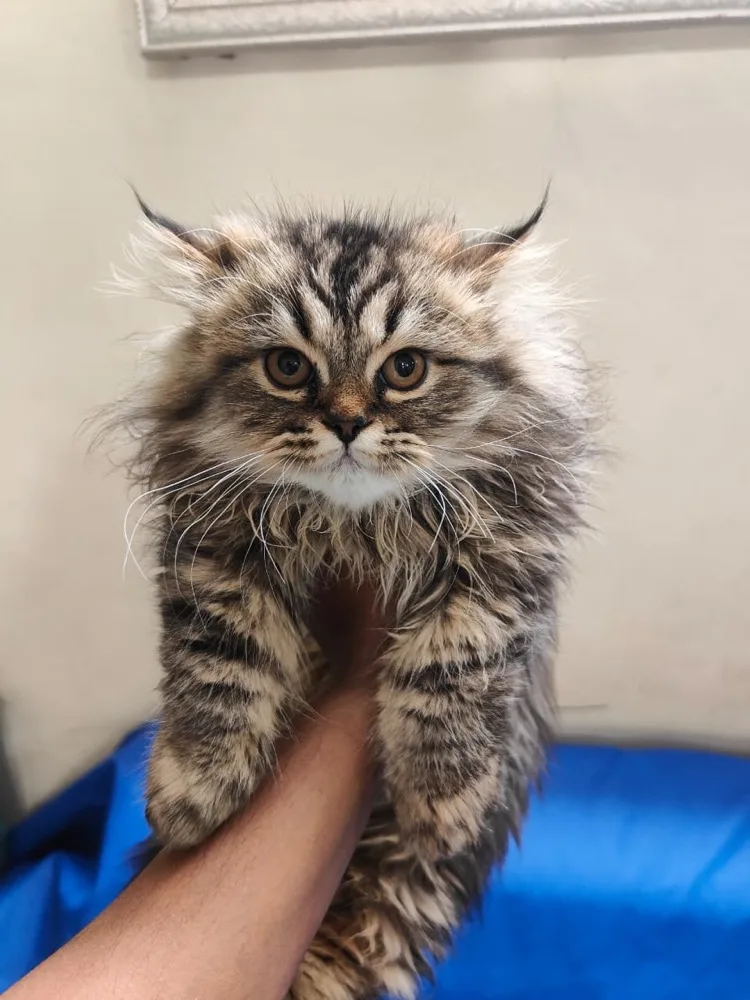
Busy roads, street dogs, falls from buildings and infectious diseases make outdoor life risky for any cat in an Indian city, and an expensive pedigree cat is also at risk of theft. A Maine Coon can be perfectly happy indoors, but a bored one will invent its own games: knocking things off shelves, chewing, night-time zoomies or over-eating. The answer is to meet its needs to climb, hunt, play and explore inside the home.
Most Indian flats don’t have much floor space, but they do have walls. Cats feel more relaxed with places to climb and watch from above.
Maine Coons stay kitten-like for years. Two play sessions of 10 to 15 minutes a day, ideally in the morning and evening, burn energy and prevent problem behaviour.
Laser pointers frustrate many cats because there is nothing to catch. If you use one, finish on a real toy or a treat.
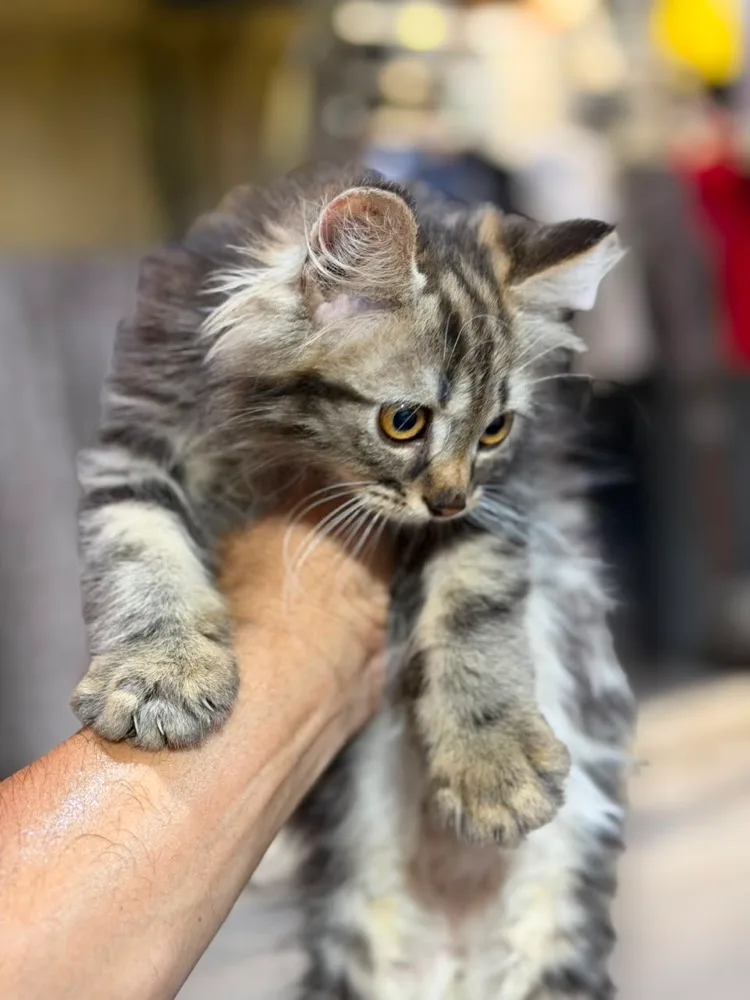
Many Maine Coons are fascinated by water: they dip their paws in the bowl, watch taps and sometimes join you in the bathroom. Rather than fight it, use it.
Some Maine Coons enjoy walking on a harness. Use a well-fitted cat harness (not a collar), let your cat wear it indoors for short periods first, and keep walks to quiet places away from dogs and traffic. Only start after the vaccination course is finished and your vet agrees. Many cats never like it, and that is fine: a netted balcony gives most of the same benefit.
Maine Coons are social and like being near their people, often following them from room to room. If everyone is out at work all day, a second cat of a similar age and energy can be good company. Introduce them slowly. If you are comparing large, sociable breeds, read Siberian vs Maine Coon vs Ragdoll.
A Maine Coon’s shaggy coat has an undercoat that thickens in winter and sheds heavily in the Indian summer. Brush two or three times a week, and daily during the summer moult, paying attention to the belly and the back legs where mats form.
See our guide to cat breeds and Indian weather.
Most of these improve with more play, more climbing space and a predictable routine. If they don’t, talk to your vet. You can see Maine Coon colours, size and kittens ready now on our Maine Coon kittens page.
Yes, if it has vertical space to climb, a secure window or balcony to watch from, and daily play. A cool room in summer is important.
About two sessions of 10 to 15 minutes a day of active play, plus puzzle feeders and climbing space.
Many do. A wide water bowl or a fountain and supervised water play are good ways to channel it.
If the cat will be alone for long hours, a second cat of similar age and energy is often good company. Introduce them slowly.
Looking for a kitten? See all breeds and prices, or WhatsApp us on +91 91688 80648.