Healthy, vaccinated kittens with home delivery across IndiaCall +91 91688 80648

Vaccinated and dewormedVet health checkHome delivery across IndiaSupport after you buy
A cat’s coat colour tells you a surprising amount, including, often, whether it is male or female. Here are the colours and patterns you’ll see in Indian homes and catteries.


| Colour or pattern | What it means |
|---|---|
| Calico | Three colours: white with patches of orange and black. Almost always female, because the orange and black colours are carried on the X chromosome. |
| Tortoiseshell | Orange and black mixed together with little or no white. Also almost always female. |
| Tabby | Stripes, swirls or spots, with an “M” mark on the forehead. Classic, mackerel, spotted and ticked are the four types. |
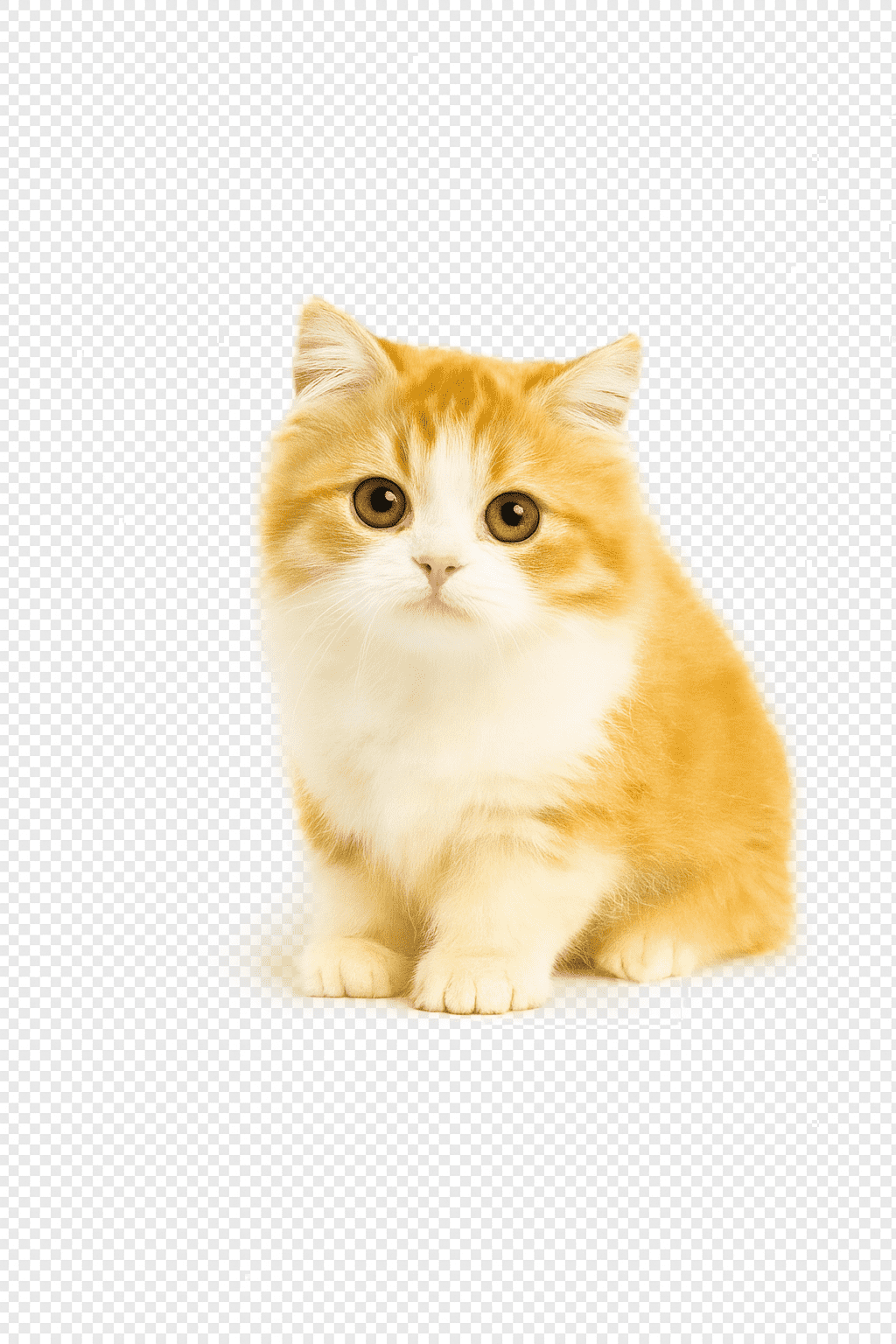
| Orange (ginger) | Nearly always tabby-patterned. About four in five orange cats are male. |
| Bicolour | White with one other colour, such as black and white “tuxedo” cats. |
| Colourpoint | A pale body with darker face, ears, legs and tail, and blue eyes, as in Siamese, Ragdolls, Himalayans and Birmans. |
| Solid | One colour all over, such as a black Bombay or a blue Russian Blue. |
| Smoke and silver | A pale undercoat under darker tips, which shimmers when the cat moves. |
The genes for orange and black coat colour sit on the X chromosome. A female cat has two X chromosomes, so she can carry both orange and black and show both. A male usually has one X, so he is either orange or black. Rare male calicos have an extra X chromosome and are usually sterile.
For pedigree breeds, yes: rare colours such as lilac, cream or silver often cost more. See our cat price list. Desi cats of every colour are free to adopt; read Indian desi cats.